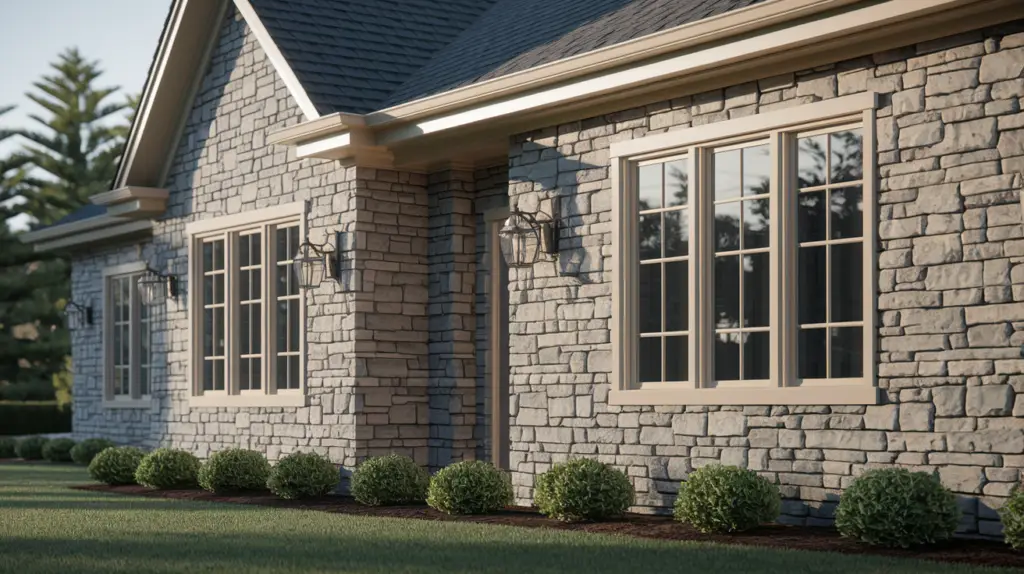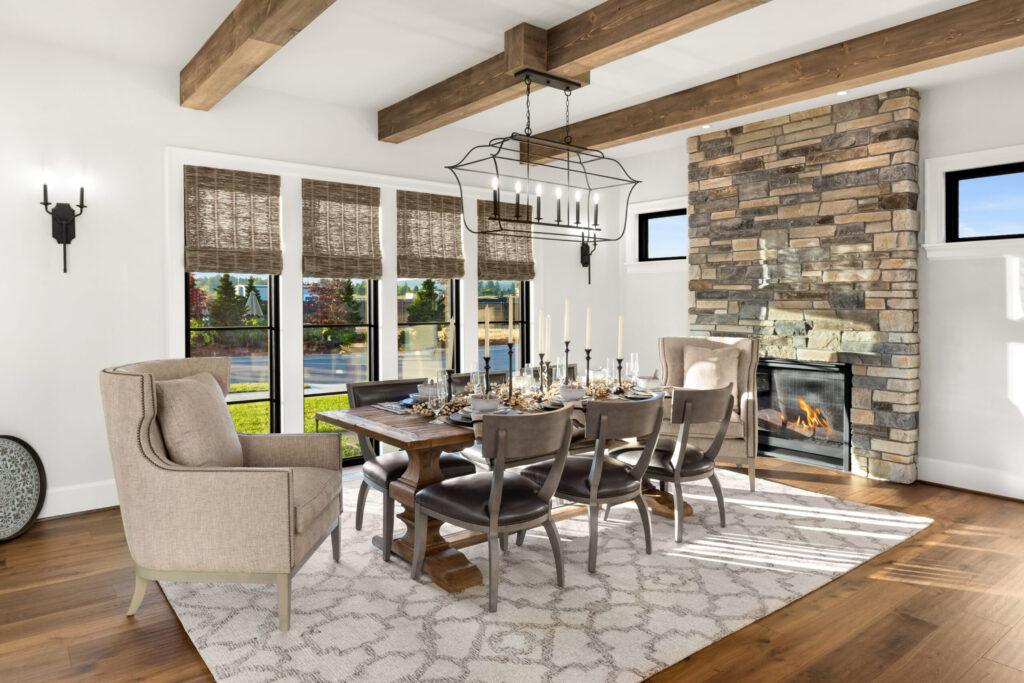
As we move into 2026, the architectural world is witnessing a seismic shift. The demand for sustainable, lightweight, and versatile materials has never been higher. At the forefront of this revolution is flexible stone veneer—a material that offers the timeless beauty of natural stone without the structural and environmental burdens of traditional masonry.
1. Biophilic Curves
Modern design is moving away from rigid, sharp angles toward organic, flowing shapes. 2026 is the year of the curve. Because Flomary’s flexible tiles can be bent and contoured, architects are now using them to clad curved walls, rounded columns, and even vaulted ceilings. This biophilic approach creates a sense of harmony and natural flow that was previously impossible with heavy, rigid stone slabs.
2. The Rise of Sustainable Facades
Sustainability is no longer an option; it’s a requirement. LEED certification and green building standards are driving architects toward materials with lower carbon footprints. Our flexible stone is manufactured using recycled inorganic materials and requires significantly less energy to transport (being up to 70% lighter than natural stone). In 2026, the “eco-facade” is the ultimate architectural statement.
3. Seamless Large-Format Interiors
The trend for “seamless” design continues to grow. Designers are opting for large-format flexible panels (up to 1200×2900 mm) to create expansive, grout-free stone surfaces. Whether it’s a luxury hotel lobby or a high-end residential feature wall, the ability to create a continuous stone texture across vast areas is a defining aesthetic of the year.
4. Mixed Materiality: Stone Meets Metal
2026 is about the contrast of textures. We are seeing an increase in designs that mix the rugged, earthy feel of stone veneer with the industrial sleekness of matte black metal or brushed brass. Flexible stone allows for precise cutting and integration, making it the perfect partner for mixed-media architectural features.
5. Rapid Retrofitting & Renovations
With rising labor costs, speed of installation is critical. The “Retrofit Trend” involves upgrading existing commercial and residential buildings without massive demolition. Flexible stone can be applied directly over existing surfaces (like brick or concrete), allowing for a complete facade or interior transformation in days rather than weeks.
Conclusion: The Future is Flexible
The transition from natural stone to flexible veneer is more than just a trend—it’s an evolution in how we build. By choosing Flomary, you’re not just picking a surface; you’re choosing a faster, lighter, and more sustainable way to bring the beauty of stone into the modern era.
Ready to explore the 2026 collection? Contact the Flomary Group for a consultation or catalog.